- USA
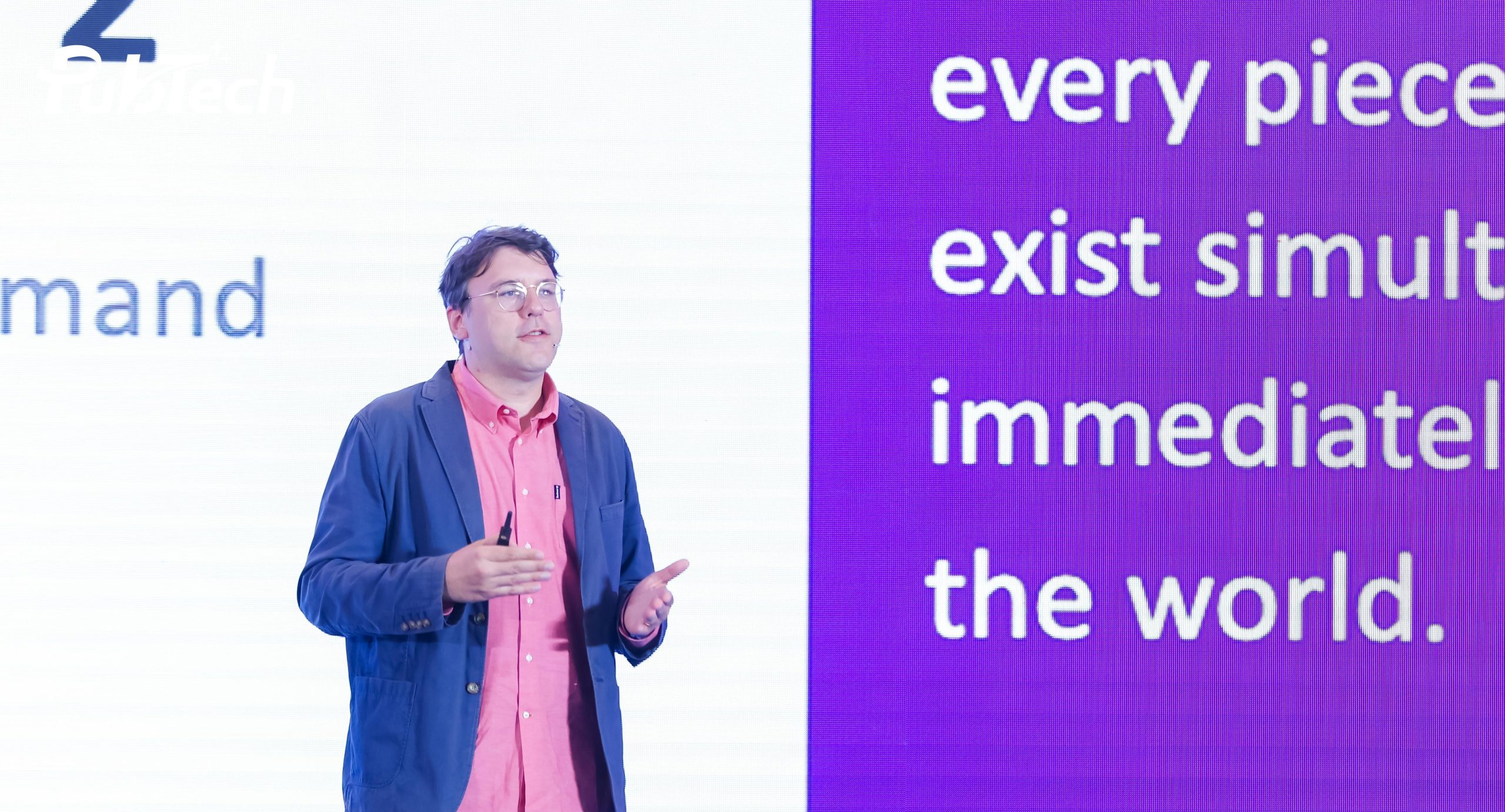
Shuran Song Keynote Speaker
- 2025 IEEE RAS Early Academic Career Award
- MIT Tech Review Innovators Under 35 (Global, 2024)
- Best Paper/System Paper awards at RSS, CoRL, IEEE T-RO
Shuran Song's Biography
Shuran Song is an AI and robotics researcher who builds the kind of intelligence that leaves the screen and enters the physical world. At Stanford University, she is an Assistant Professor of Electrical Engineering (by courtesy, Computer Science) and leads the Robotics and Embodied AI Lab (REAL@Stanford), developing learning-based systems that help robots perceive, plan, and manipulate with greater autonomy and reliability.
Her work sits at the intersection of computer vision and robotics: teaching machines to understand 3D environments, learn from real-world interaction, and generalise to new objects and tasks. Song’s research has been recognised with the 2025 IEEE Robotics and Automation Society Early Academic Career Award, and she was named to MIT Technology Review’s Innovators Under 35 (Global) in 2024.
Across robot learning and manipulation, her contributions have earned Best Paper Awards at RSS’22 and IEEE T-RO’20, alongside Best System Paper Awards at CoRL’21 and RSS’19, with additional recognition as a Google Research Scholar (2023), Gabilan Faculty Fellow at Stanford (2023), NSF CAREER Award (2022), Sloan Research Fellowship (2022), and Microsoft Faculty Fellowship (2021).
Song is a sought-after voice at leading research venues, delivering an Early Career Keynote at the Conference on Robot Learning and a keynote at ICRA 2024, as well as invited talks at ICRA 2025 and RSS 2024.
In keynotes, Song translates breakthrough robotics into clear leadership takeaways: what embodied AI can do today, what’s coming next, and how organisations can innovate responsibly as intelligent machines move into everyday operations.
Shuran Song's Speaking Topics
-
Embodied AI: the next wave of robotics and automation
-
Robot learning for dexterous, contact-rich manipulation
-
From prototypes to deployment: making robots reliable at scale
-
Human–robot collaboration and the future of work
-
Trustworthy robotics: safety, robustness, and real-world adoption
Why Book Shuran Song as a speaker?
Videos of Shuran Song


Check Shuran Song's speaking fees and availability
Discover other speakers