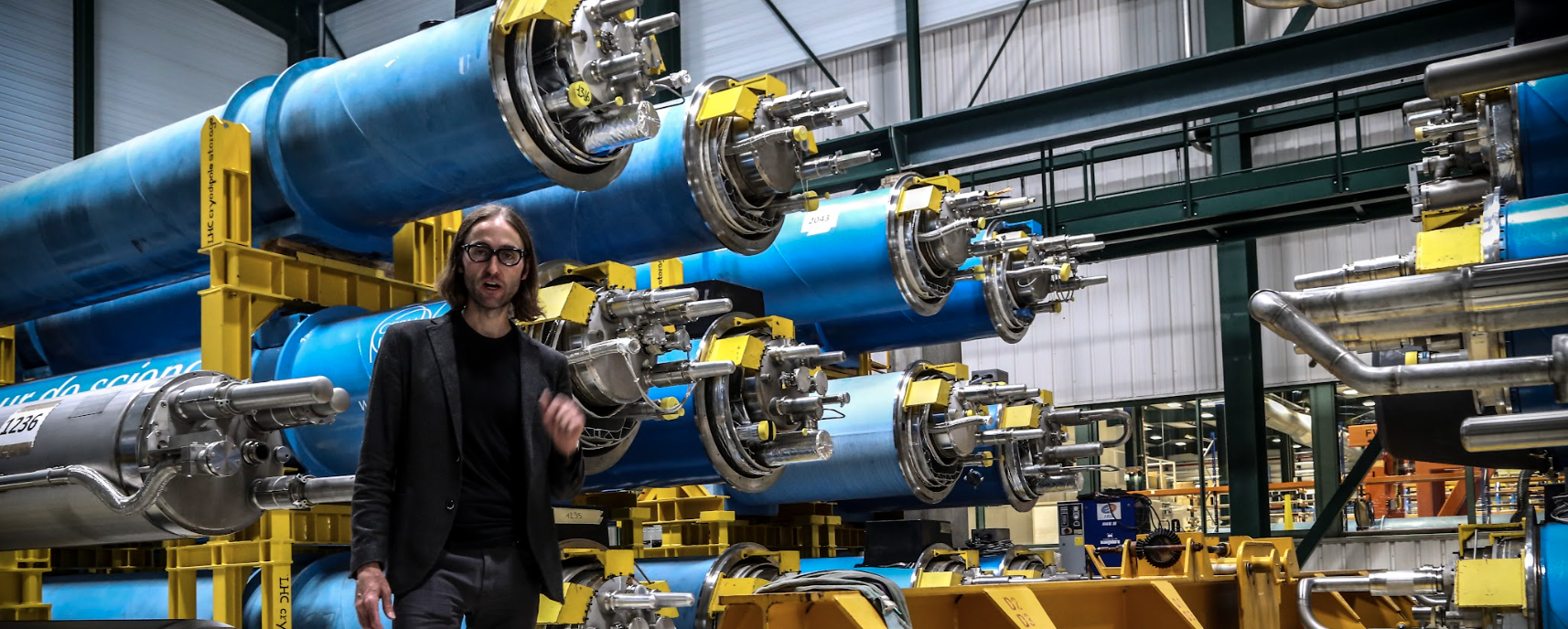
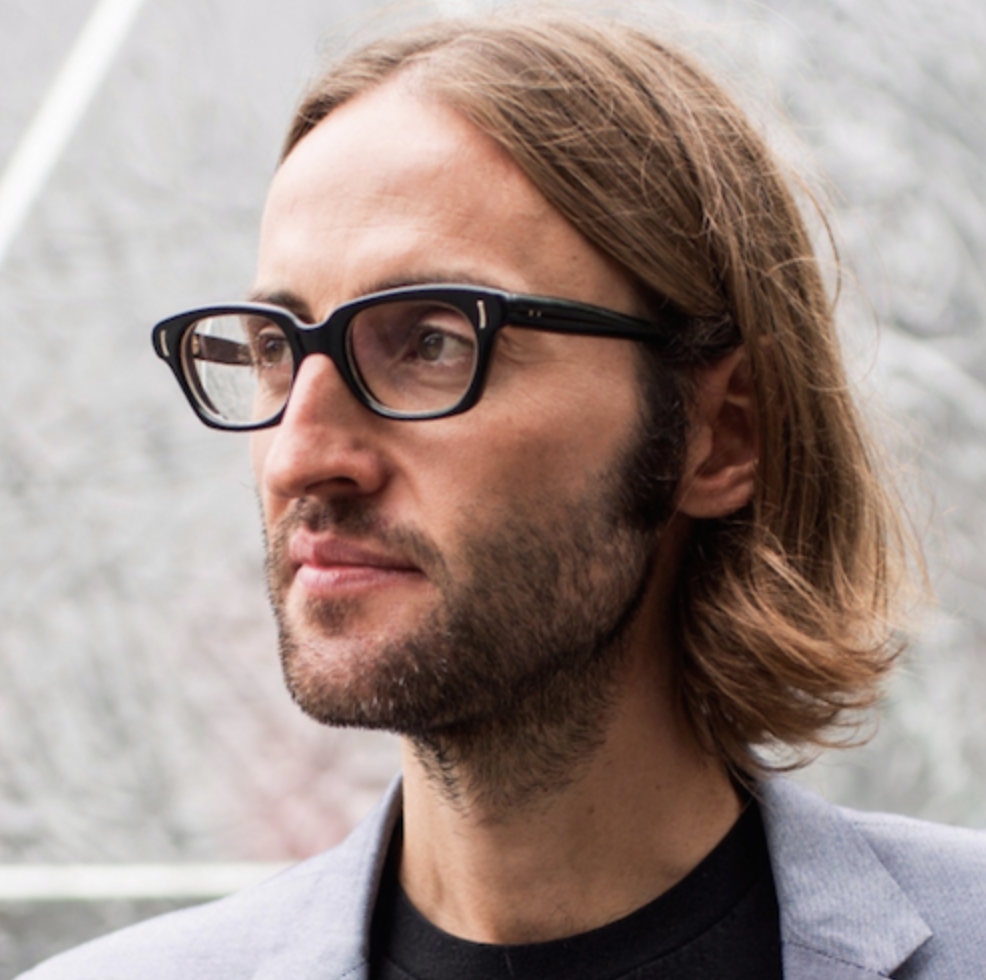
- Switzerland
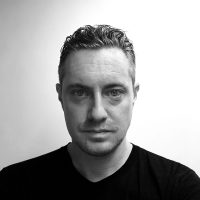
James Beacham Keynote Speaker
- Particle physicist at CERN.
- Science storyteller, technologist, and filmmaker.
- Featured on the BBC, Discovery Channel, PBS, radio, podcasts, and documentaries, including Chasing Einstein (2019).
James Beacham's Biography
Dr. James Beacham searches for answers to the biggest open questions of physics using the largest experiment ever, the Large Hadron Collider at CERN. He hunts for dark matter, gravitons, quantum black holes, and dark photons.
He is a co-recipient of the 2025 Breakthrough Prize in Fundamental Physics as a core member of the ATLAS experiment, one of the teams that discovered the Higgs boson in 2012.
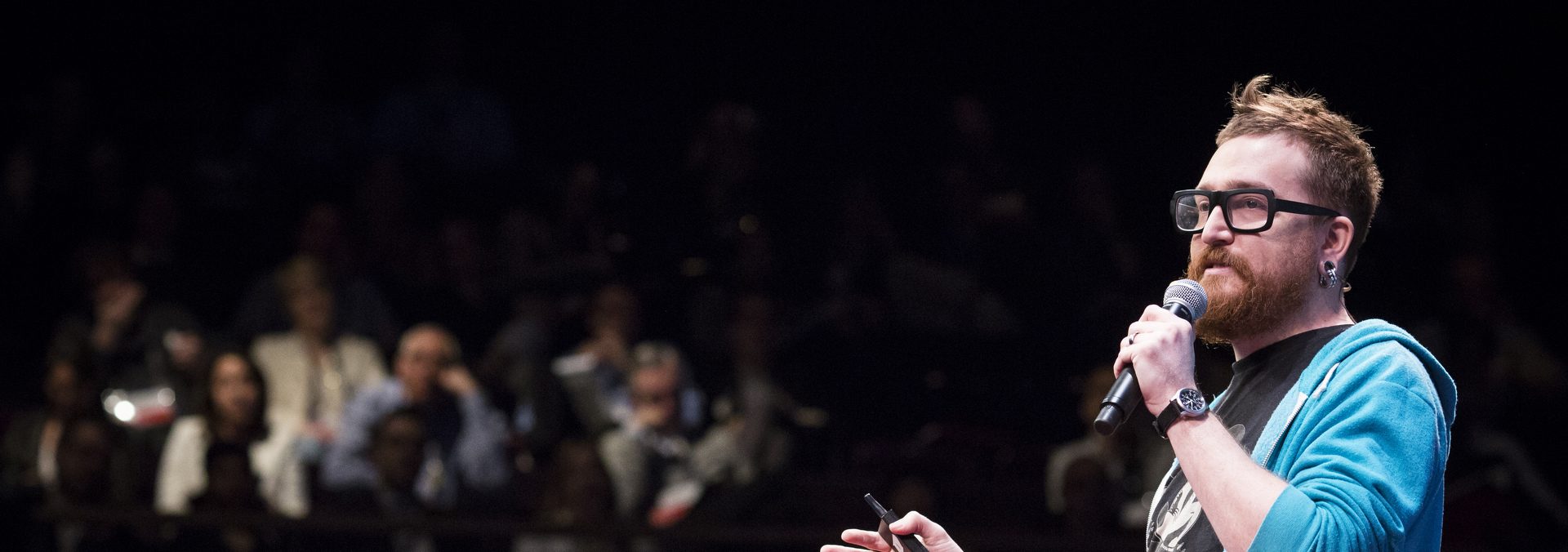
In addition to his research, he is a frequent keynote speaker and communicator at the intersections of science, technology, pseudoscience, innovation, society, politics, and art at events and venues around the world (with a sizable following on TikTok), including the American Museum of Natural History, the Royal Institution, SXSW, the Raisina Dialogue, the Exploratorium, re:publica Berlin, Science City Kolkata, the Guggenheim Bilbao, and the BBC, among dozens of others, as well as private events for companies and corporations, including KPMG, Bain, Dept Agency, BCG, SUSI Partners, and many more.
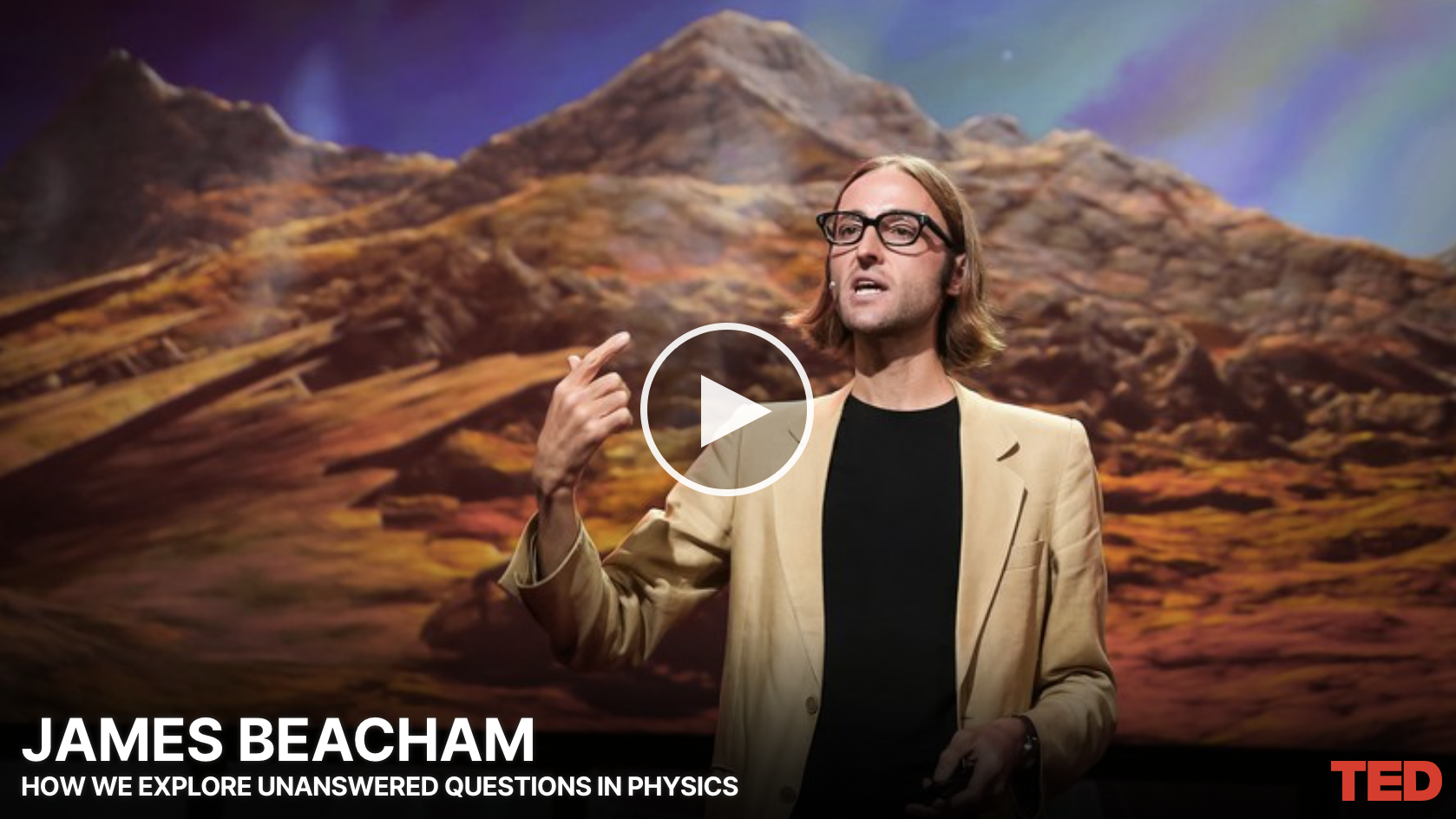
His talk, “How we explore unanswered questions in physics”, was featured on TED.com and has been viewed more than 1.6 million times.
He makes regular appearances in media and film, including in television shows with the BBC, Discovery, ARTE, and National Geographic, among others; in live-streaming series (such as PBS Space Time); on podcasts (such as Vox’s Unexplainable); on radio shows (such as NPR’s Science Friday); and in documentaries (such as 2019’s Chasing Einstein). He and his research have been featured in The New York Times, WIRED, Gizmodo, Popular Mechanics, Pitchfork, NME, Ars Technica, Engadget, Motherboard, Brooklyn Vegan, Science News, India Today, Mic News, Discovery News, Futurism, Corriere del Trentino, and Symmetry Magazine, among others.
Beacham is also an experimental filmmaker and visual artist and exhibits internationally. He mounts and exhibits his own projects and frequently collaborates with other artists. In 2015 he launched Ex/Noise/CERN, a project exploring the connections between particle physics and experimental music, film, and art, featuring the band Deerhoof. He is regularly invited to have public conversations with other artists at museums and galleries and has been featured in art publications such as BOMB Magazine.
James Beacham's Speaking Topics
-
The biggest open questions in physics and how they relate to your life and our society.
Black holes, time travel, the Big Bang, the Higgs boson, dark matter, the multiverse, quantum mechanics, the eventual fate of our planet and universe.
-
The (far) future of science, technology, and innovation.
What it means for you today.
-
Why do people believe ridiculous things?
Science in an age of pseudoscience and misinformation.
-
Science, art, and their roles in society.
Why Book James Beacham as a speaker?
-
HHe brings the credibility of a Breakthrough Prize–winning ATLAS physicist at CERN’s Large Hadron Collider, giving audiences an insider’s view of how the world’s biggest science experiment pushes at the edge of what we know.
-
He translates frontier research on dark matter, gravitons, quantum black holes and dark photons into vivid, accessible stories that help leaders think better about uncertainty, evidence and discovery.
-
He is a proven global keynote speaker at the intersection of science, technology and society, bringing the clarity and stagecraft to engage everyone from innovation teams to C-suite audiences.
-
He delivers ideas at scale through a TED.com-featured talk on how science explores unanswered questions, equipping audiences with a sharper understanding of how breakthroughs are actually made.
-
He bridges physics and culture as an experimental filmmaker and creator of Ex/Noise/CERN, showing organisations how to connect rigorous thinking with creativity, curiosity and new ways of seeing the world.
Videos of James Beacham

Check James Beacham's speaking fees and availability
Discover other speakers