
China Reopening?
Hong Kong’s Chief Executive, John Lee, has finally ended the city’s hotel quarantine policy. For two-and-a-half years, returning residents were subject to up to three weeks in a hotel at their own expense. The policy aimed to keep imported Covid infections out as the SAR abided by the mainland’s “Zero-Covid” policy.
The measure had become increasingly futile since Hong Kong’s first major Covid outbreak at the start of the year. Since then, cases have never dipped back below three figures and currently hover in the thousands. Despite imported cases only constituting a very small percentage of the city’s caseload, the government maintained the quarantine policy in a show of symbolic unity with the mainland.
Hong Kong’s divergence from a key “Zero-Covid” policy could only have happened with China’s blessing. This has turned attention to a bigger question: will the mainland soon start to ease its own restrictions and emerge from its self-enforced isolation? Travellers to the mainland still face seven days of quarantine and three days of “self-monitoring”. Meanwhile, some of its cities are still under lockdowns.
Significant loosening of Covid measures in China could have a profound effect on its international diplomacy. For almost three years, the West has been restricted to video calls with Xi Jinping and other Chinese leaders. Recently, the President made his first overseas state visit since January 2020. His choice of Kazakhstan shows foreign visits are limited to allies for now but this may change.
China watchers will observe Hong Kong closely over the next few months. Travellers to the city are banned from visiting certain premises during their first three (restaurants, gyms, bars etc.) and forced to take daily Covid tests in their first week. A positive result still carries the risk of a trip to an isolation facility. However, there are already noises about further loosening in time for a planned financial summit and Rugby Sevens tournament in early November. Should this progress as hoped, China may not be far behind.
To explore the economic and political ramifications of an open China, Chartwell recommends:
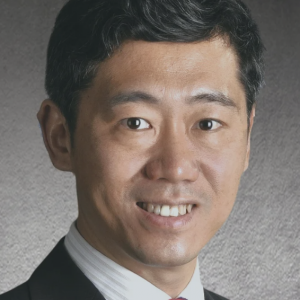
One of China’s most influential economists and former MPC Member
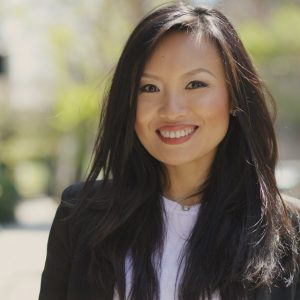
Hong Kong-based entrepreneur and Chatham House Fellow
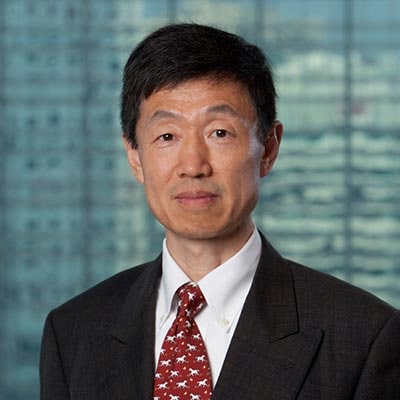
Chairman and CEO of Hong Kong private equity firm, PAG
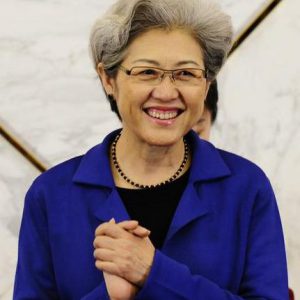
Chinese diplomat and former Ambassador to the United Kingdom
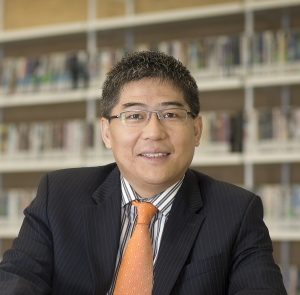
International trade expert and first Chinese lawyer at the WTO Secretariat
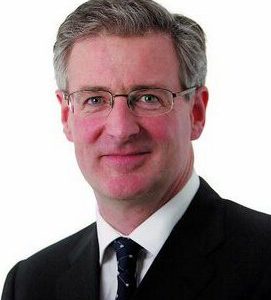
Global China Editor the Financial Times
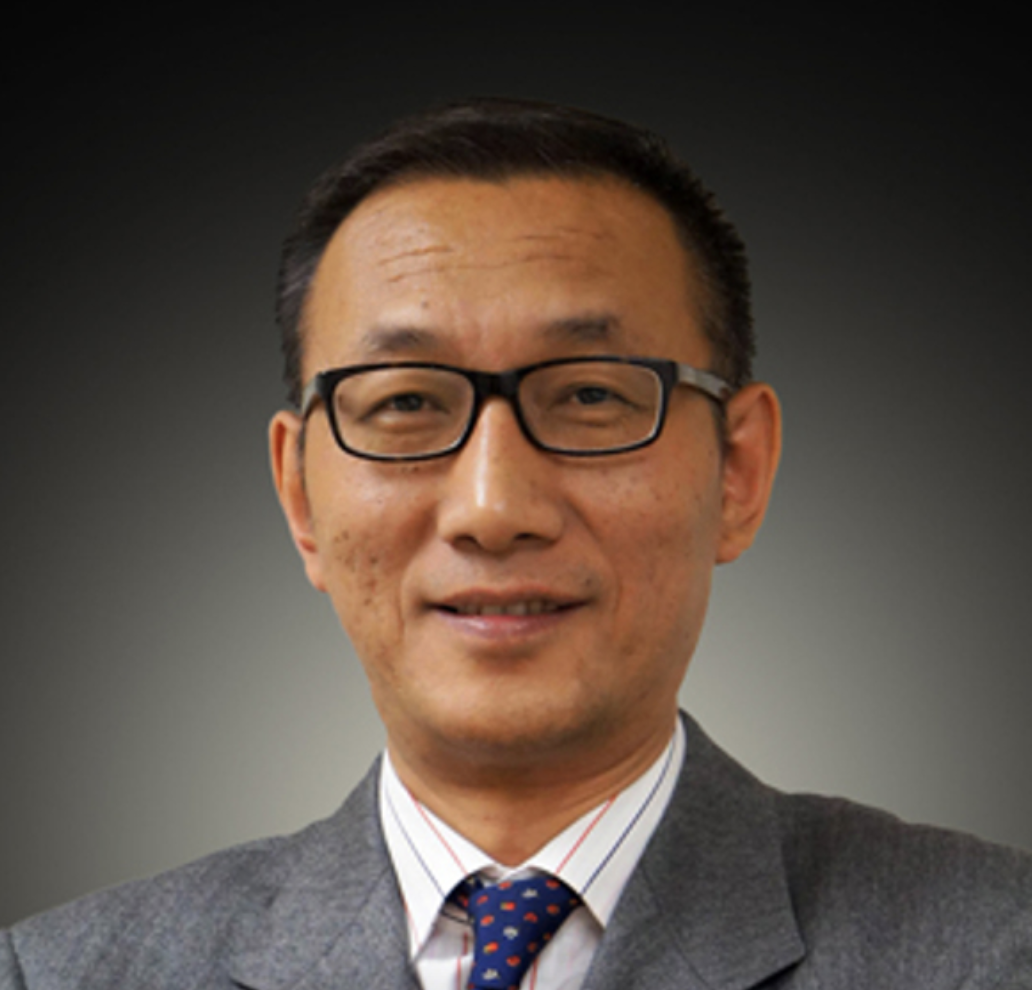
Former editor-in-chief at the South China Morning Post

Strategic adviser and author of “Financial Cold War: A View of Sino-US Relations from the Financial Markets“